13 Gay Films Tha I Love
A Pride Month reflection on thirteen films that shaped the way I think, create, and see the world.
Since it is Pride Month, I wanted to revisit thirteen films that have stayed with me over the years and left a lasting mark on my imagination.
Art has never been valuable to me because it provides answers. It is valuable because it reveals. The films that remain with us are rarely the ones that offer simple lessons or neat conclusions. They are the ones that illuminate something about the human experience that cannot easily be reduced to categories such as right and wrong, good and bad, acceptable and unacceptable.
Art is not a courtroom, a moral handbook, or a set of instructions. It does not exist to tell us what to think. At its best, it reveals what already exists beneath the surface: our contradictions, our desires, our fears, our capacity for tenderness and cruelty, and the strange ways in which these things often coexist.
I do not look to art for examples of how people should behave. I look to art for glimpses of who people are.
The films that have shaped me most are often those willing to enter difficult territory: obsession, longing, loneliness, desire, identity, alienation, memory, loss, self-destruction, and the search for belonging. They understand that human beings are rarely simple. Beauty and ugliness, tenderness and cruelty, love and destruction can exist side by side, woven together in ways that resist easy interpretation.
The fact that these films are queer is not incidental. Their gay characters are not interchangeable with any other characters. Their sexuality shapes the worlds they inhabit, the risks they face, the relationships they form, and the ways they experience love, loneliness, desire, and belonging.
Looking back, I can see traces of these films everywhere in my own interests and creative work. They influenced the way I think about people, the kinds of stories I am drawn to, and the themes that continue to appear in my painting, writing, photography, and research.
These are thirteen films that never quite left me. Some changed the way I think. Others changed the way I see.

1. Fögi Is a Bastard (1998)
Directed by Swiss filmmaker Marcel Gisler and based on Martin Frank's novel, Fögi Is a Bastard follows Beni, a teenager growing up in Zurich during the early 1970s. Drawn into the orbit of Fögi, the charismatic singer of a rock band, Beni finds himself immersed in a world of desire, admiration, dependency, music, and self-discovery. What begins as admiration gradually becomes something far more complicated. The glitter surrounding Fögi slowly fades, revealing a darker reality beneath the fantasy. Love becomes disappointment, disappointment becomes anger, and anger eventually gives way to a different kind of love—one stripped of illusion. The film captures the painful moment when an idol becomes a human being.
Few films capture obsession as convincingly as Fögi Is a Bastard. What impressed me was not simply the relationship at its center, but the atmosphere surrounding it: the underground music scene, the feeling of standing at the edge of a world that is both exciting and dangerous.
The film understands something that many stories overlook: that admiration, longing, desire, identity, and self-destruction are often intertwined. Human emotions rarely arrive neatly separated from one another. They collide, overlap, and transform into something far more complex.
Visually and emotionally, the film feels raw and unpolished in the best possible way. There is a sense of authenticity running through it—a refusal to smooth out contradictions or make its characters easier to understand. Instead, it embraces uncertainty, vulnerability, and the intensity of first encounters with freedom, love, and loss.
Looking back, I can see why it remained with me. It is a film about outsiders, about searching for something beyond the ordinary, and about the price people sometimes pay when they find it. Its mixture of darkness, beauty, music, longing, and emotional chaos left a lasting impression on my imagination and continues to resonate with me today.
2. Body Without Soul (1996)
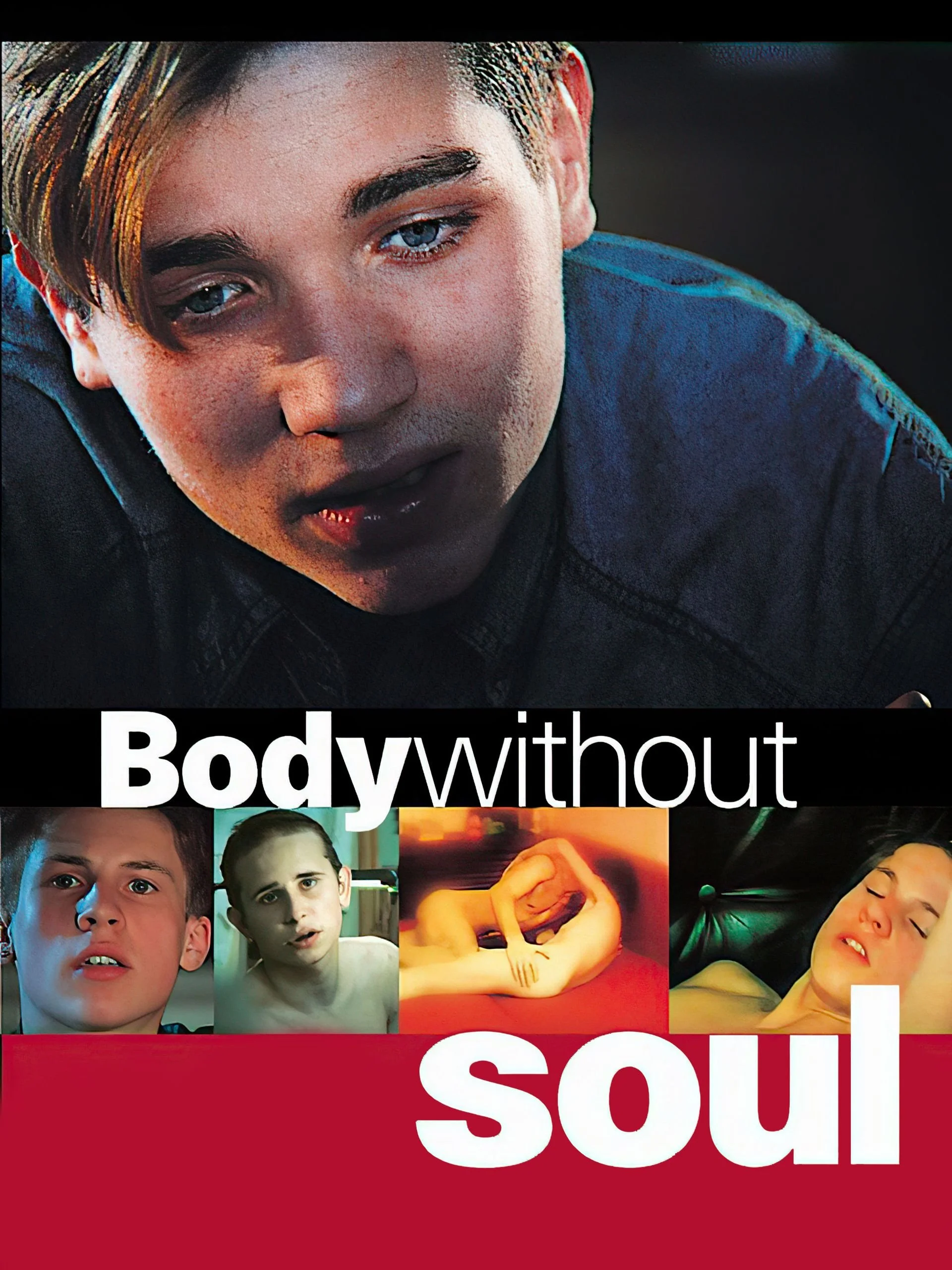
Wiktor Grodecki's Body Without Soul is a documentary set in Prague during the years following the collapse of communism. Through a series of interviews, it follows teenage boys involved in prostitution as they speak about survival, money, sex, fear, dreams, and the realities of their daily lives.
What stayed with me was not shock, outrage, or even sadness. It was the way these boys spoke.
There is a matter-of-fact quality running through the entire film. No dramatic speeches. No attempts to inspire sympathy. No effort to make their lives appear more tragic or more heroic than they are. Many speak with a bluntness that is almost unsettling. Their circumstances are simply presented as facts, as though they have already accepted them as part of the natural order of things.
What fascinated me were the contradictions.
Some openly embraced their sexuality while others seemed unable or unwilling to acknowledge it. Some appeared emotionally untouched by what they were doing, while others still carried traces of innocence. Some felt trapped in the role of victim, while others already displayed the mentality of a survivor—or even a predator. Some seemed frightened by everything. Others appeared to have reached a point where they feared nothing at all.
And yet none of it felt forced. None of it felt symbolic. The film never tries to turn these boys into representatives of a cause or examples of a social problem. They simply exist.
There is also a strange sense of detachment running through parts of the documentary. Not happiness, not contentment, but a kind of acceptance. An emptiness that somehow resembles peace. Almost a Zen-like surrender reached through circumstances that could not be further removed from any spiritual tradition.
Perhaps that is what influenced me most. The film captures people adapting to realities that many would consider unbearable. It reveals the countless ways human beings learn to survive, justify, detach, endure, transform, or simply continue.
For me, Body Without Soul is ultimately less a documentary about prostitution than a documentary about human nature. About what happens when life strips away illusions and leaves people face to face with reality. The answers are not comforting, but they are profoundly real.
3. Bent (1997)
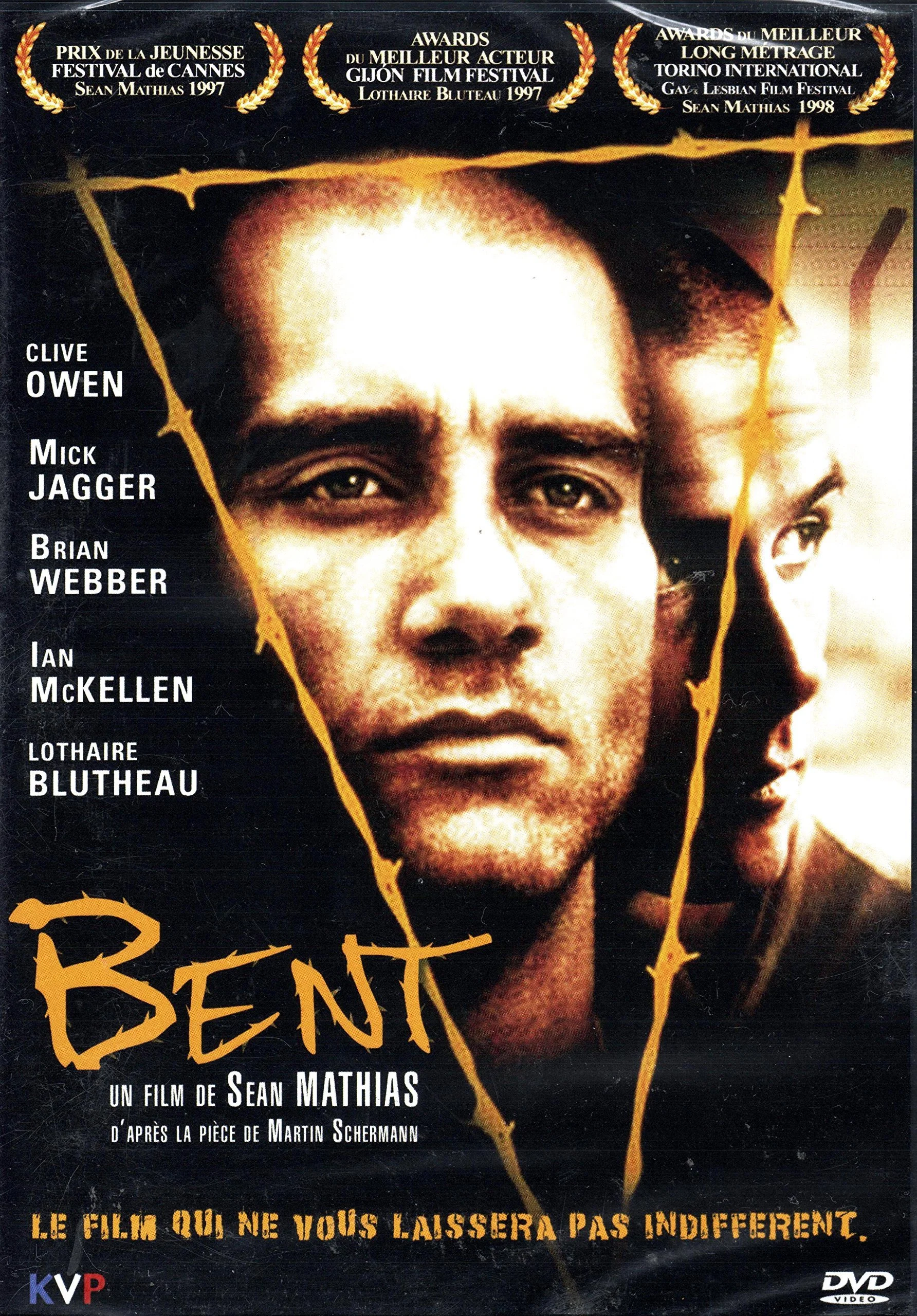
Based on Martin Sherman's acclaimed play, Bent follows Max, a gay man living in Berlin during the rise of Nazi Germany. After being arrested and sent to a concentration camp, he is forced to confront questions of identity, survival, fear, and self-acceptance under circumstances designed to destroy all three.
The character that impressed me most, however, is not Max but Horst.
Marked with the pink triangle and fully aware of the danger it represents, Horst refuses to deny who he is. In a place built on humiliation, dehumanization, and fear, he possesses a quiet strength that makes him one of the most remarkable characters I have encountered in cinema.
One of the most powerful aspects of Bent is its portrayal of the pink triangle prisoners, who occupied one of the lowest positions within the concentration camp hierarchy. The film does not merely show persecution from above; it also reveals the layers of prejudice that existed even among those who were themselves imprisoned.
Yet despite its setting, I have never thought of Bent as a film about victimhood.
For me, it is a film about the resilience of the human spirit.
The relationship that develops between Max and Horst remains one of the most moving depictions of love I have seen on screen. Stripped of freedom, deprived of privacy, forbidden even the most basic forms of intimacy, they nevertheless create a connection that survives through words, imagination, memory, and presence. In a place designed to erase humanity, they continue to affirm it.
What makes those moments so powerful is that they reveal something fundamental: love does not disappear simply because circumstances become impossible. It adapts. It survives. It finds new forms.
The film's greatest achievement lies in this contradiction. It takes place in one of history's darkest settings, yet it is ultimately a story about dignity, courage, and the refusal to allow cruelty to define what it means to be human.
Years later, when I think of Bent, I do not remember the brutality first. I remember Horst. I remember strength. I remember two people preserving something beautiful in a world determined to destroy it.
4. For a Lost Soldier (1992)
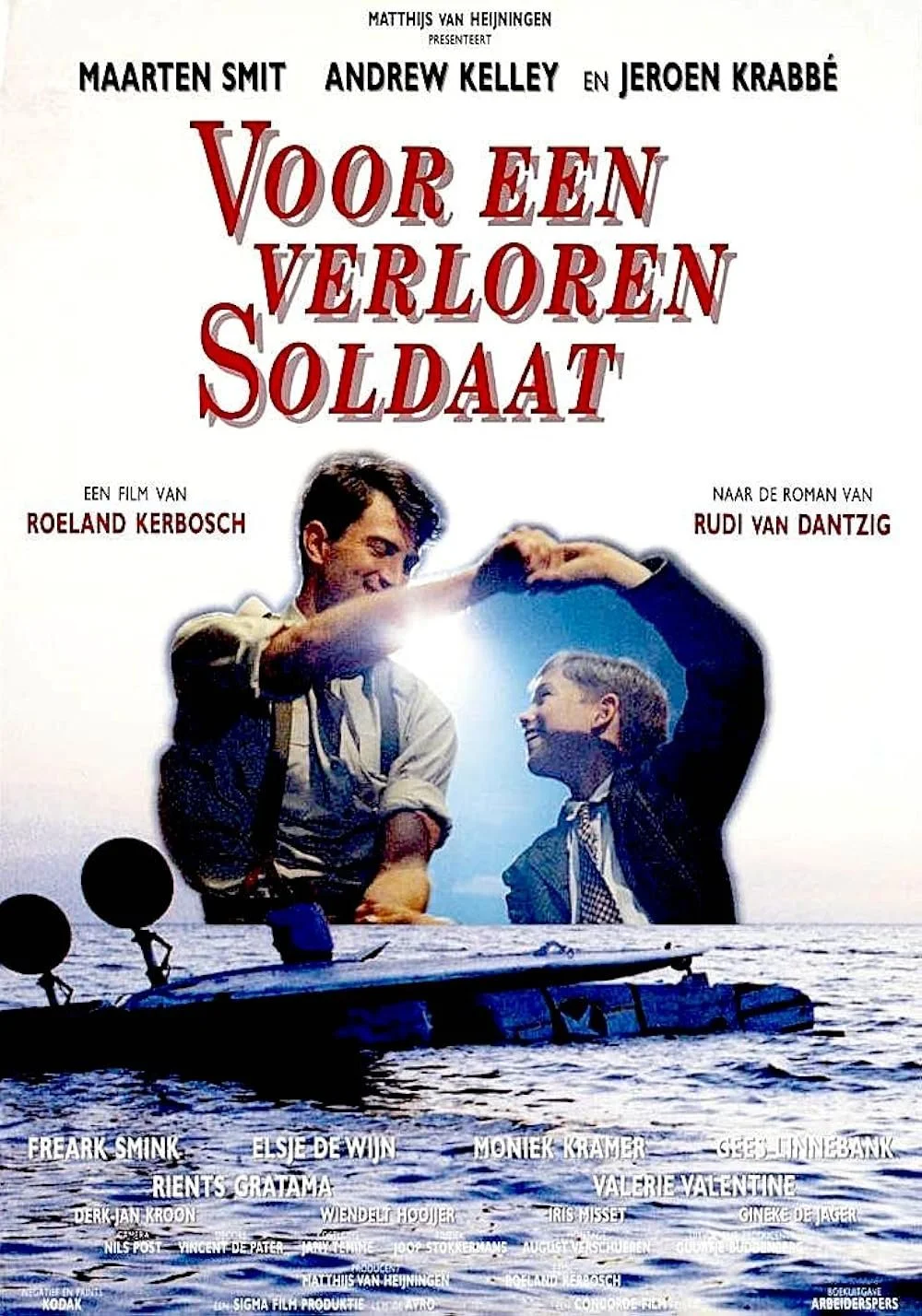
Based on the autobiographical novel by Rudi van Dantzig, For a Lost Soldier follows Jeroen, a Dutch boy evacuated from Amsterdam during the final years of the Second World War. While living in the countryside, he meets Walt, a young Canadian soldier. The relationship that develops between them becomes one of the defining experiences of his life and continues to haunt him decades later.
More than anything else, this is a film about memory.
The story unfolds through the eyes of an older Jeroen looking back on his childhood and searching for the soldier he once knew. That perspective gives the entire film a feeling of longing. The relationship ended long ago, the war has long since passed, yet the memory remains alive. The older Jeroen is still searching, still remembering, still carrying a part of that experience with him.
What moved me most was the connection between Jeroen and Walt themselves.
The film portrays them less as people separated by age and more as two lonely individuals who unexpectedly find each other during a brief and uncertain moment in history. There is a gentleness between them, a sense of equality, and an ease of understanding that makes their relationship feel natural within the world of the film. Neither appears preoccupied with the things that later generations would focus on. Instead, the film is concerned with affection, companionship, and the experience of being seen by another person.
I also find it impossible to separate the story from its historical context. For a gay boy and a gay soldier living in that era, finding someone they genuinely connected with would not have been an everyday occurrence. That rarity gives the relationship an added poignancy. It feels fragile from the beginning, as though both know that circumstances will eventually pull them apart.
Another aspect that has always stayed with me is the difficulty of communication before the modern world. Today, a person can disappear and be found again within minutes. In the world of For a Lost Soldier, people could enter your life, change it forever, and then vanish. A war ends. A soldier returns home. Years pass. Addresses are lost. Lives move on.
What remains is memory.
That sense of absence runs through the entire film. Not as tragedy, but as something quieter and perhaps more universal: the experience of wondering what became of someone who once meant everything to you.
For me, For a Lost Soldier is ultimately a film about the people we carry with us long after they have disappeared. Some encounters last only a short time. Their influence can last a lifetime.
5. Fox and His Friends (1975)
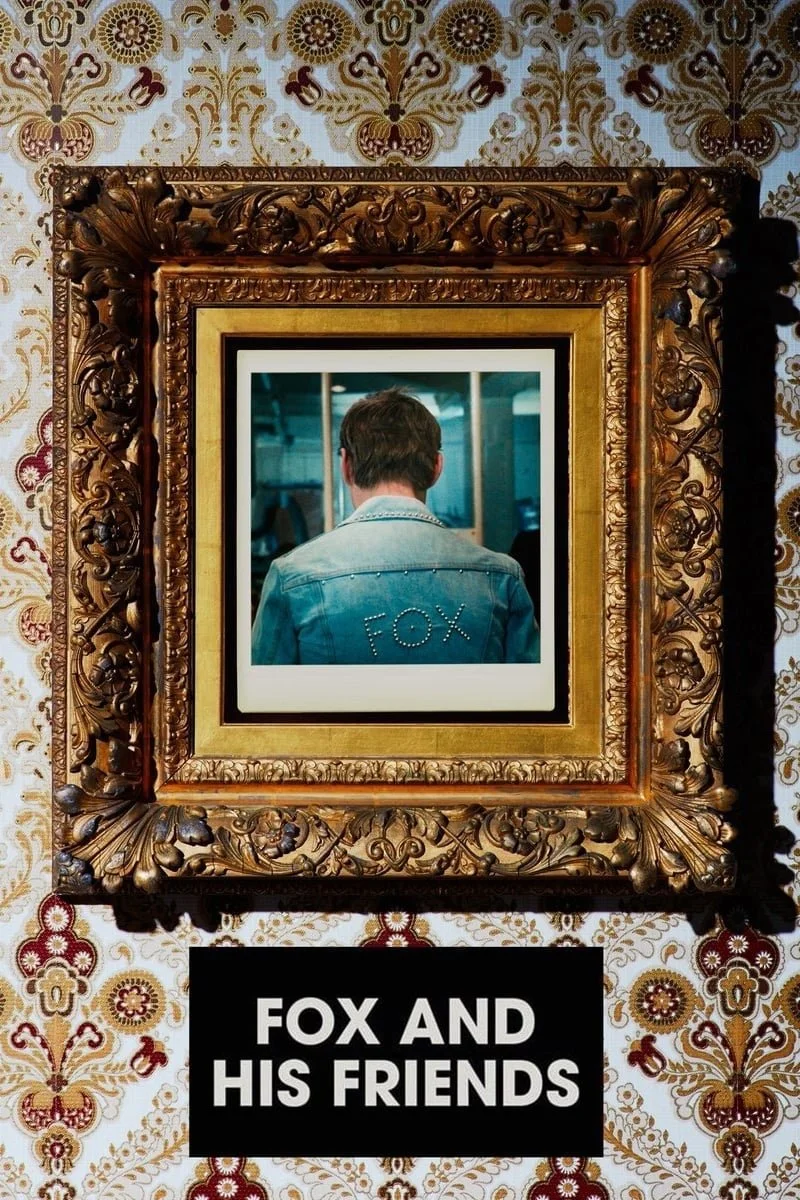
Directed by Rainer Werner Fassbinder, Fox and His Friends follows Franz "Fox" Biberkopf, a working-class carnival worker whose life changes overnight after winning the lottery. Suddenly in possession of wealth, Fox finds himself welcomed into social circles that had previously ignored him. What follows is a story of desire, class, exploitation, and the hidden costs of belonging.
What has always fascinated me about Fox and His Friends is its honesty.
The film does not present its characters as heroes, villains, victims, or role models. Instead, it portrays people as they often are: contradictory, selfish, vulnerable, loving, insecure, generous, manipulative, and painfully human.
At the center of the story is Fox himself. He is sincere, trusting, emotionally open, and eager to belong. Yet these qualities become vulnerabilities in a world where affection, status, and social acceptance are often intertwined with power.
What makes the film remarkable is that homosexuality is never treated as the problem. The cruelty Fox encounters does not arise because he is gay. It arises because he is vulnerable. Because he loves openly. Because he believes people are more honest than they are.
As a result, the film becomes a study of social hierarchy. Money changes Fox's circumstances, but it does not grant him true acceptance. He is tolerated, desired, and used, yet never fully allowed to belong.
There is a quiet tragedy in that realization.
The world depicted in Fox and His Friends feels deeply familiar because it exposes something uncomfortable about human relationships. People often speak of love, friendship, and community as though they exist separately from status, class, ambition, and self-interest. Fassbinder refuses such illusions. He shows how easily affection can become transactional and how often people confuse love with possession, convenience, or opportunity.
What has stayed with me over the years is not simply Fox's fate but the film's extraordinary understanding of human nature. It recognizes how desperately people seek belonging and how vulnerable that desire can make us.
Few films have explored loneliness, exploitation, and the hunger for acceptance with such clarity. Nearly fifty years after its release, it remains as sharp and unsettling as ever.
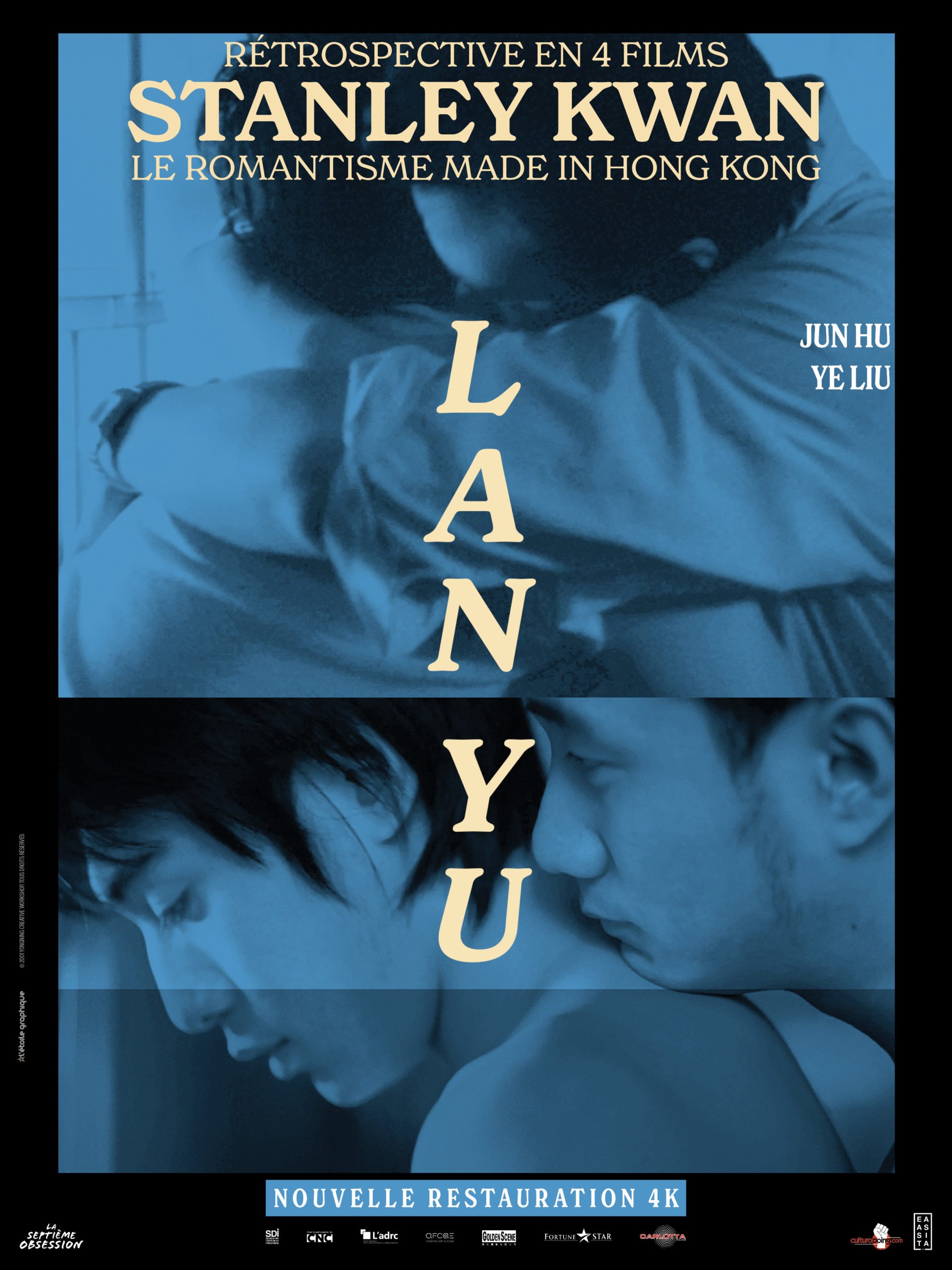
6. Lan Yu (2001)
Directed by Stanley Kwan and based on an anonymous online novel, Lan Yu follows the relationship between Chen Handong, a successful businessman, and Lan Yu, a young architecture student in Beijing. Set against a backdrop of social and political change in China, the film traces their connection over many years as they navigate love, separation, uncertainty, and the realities of a society that offers little space for such relationships.
There is a quietness to Lan Yu that I have always admired.
The film never feels the need to announce its emotions. It does not rely on grand declarations, dramatic confrontations, or elaborate speeches. Instead, it allows meaning to emerge through small moments: a glance, a hesitation, a gesture, a silence. In doing so, it captures something that many films struggle to portray, the way love is often experienced rather than spoken.
What struck me most was the contrast between the two central characters. Handong spends much of the film trying to control, define, or distance himself from his emotions, while Lan Yu possesses a sincerity and emotional clarity that gradually transforms the relationship between them. Together they create one of the most believable and moving relationships I have encountered in cinema.
Like many of the films on this list, Lan Yu is deeply connected to its historical and cultural context. The relationship exists within a society where visibility comes with risks and where emotional honesty often requires courage. Yet the film never reduces its characters to symbols or political statements. They remain individuals first: flawed, vulnerable, loving, stubborn, and profoundly human.
What also stayed with me was the film's relationship with time.
Throughout much of the story, Handong seems to believe there will always be another opportunity to confront what he truly feels. Another chance to be honest with himself. Another chance to stop pretending. Another chance to choose the life he actually wants.
But life rarely works that way.
One of the film's most powerful insights is that there is often far less time than we imagine. People spend years negotiating with themselves, postponing decisions, hiding parts of who they are, waiting for a more convenient moment to become honest. Yet time continues moving forward regardless.
For me, Lan Yu became a reminder that there is no perfect moment to accept oneself. There is only the present moment, and sometimes we do not realize its importance until it has already passed.
That realization gives the film much of its emotional weight. Beneath the love story lies another question: how much of our lives do we spend waiting to become ourselves?
What has remained with me over the years is the tenderness of the film. A recognition that some relationships change us permanently, regardless of how long they last or what form they ultimately take.
Few films have portrayed love with such simplicity, sincerity, and emotional restraint. Lan Yu never raises its voice, yet its impact lingers long after the final scene.
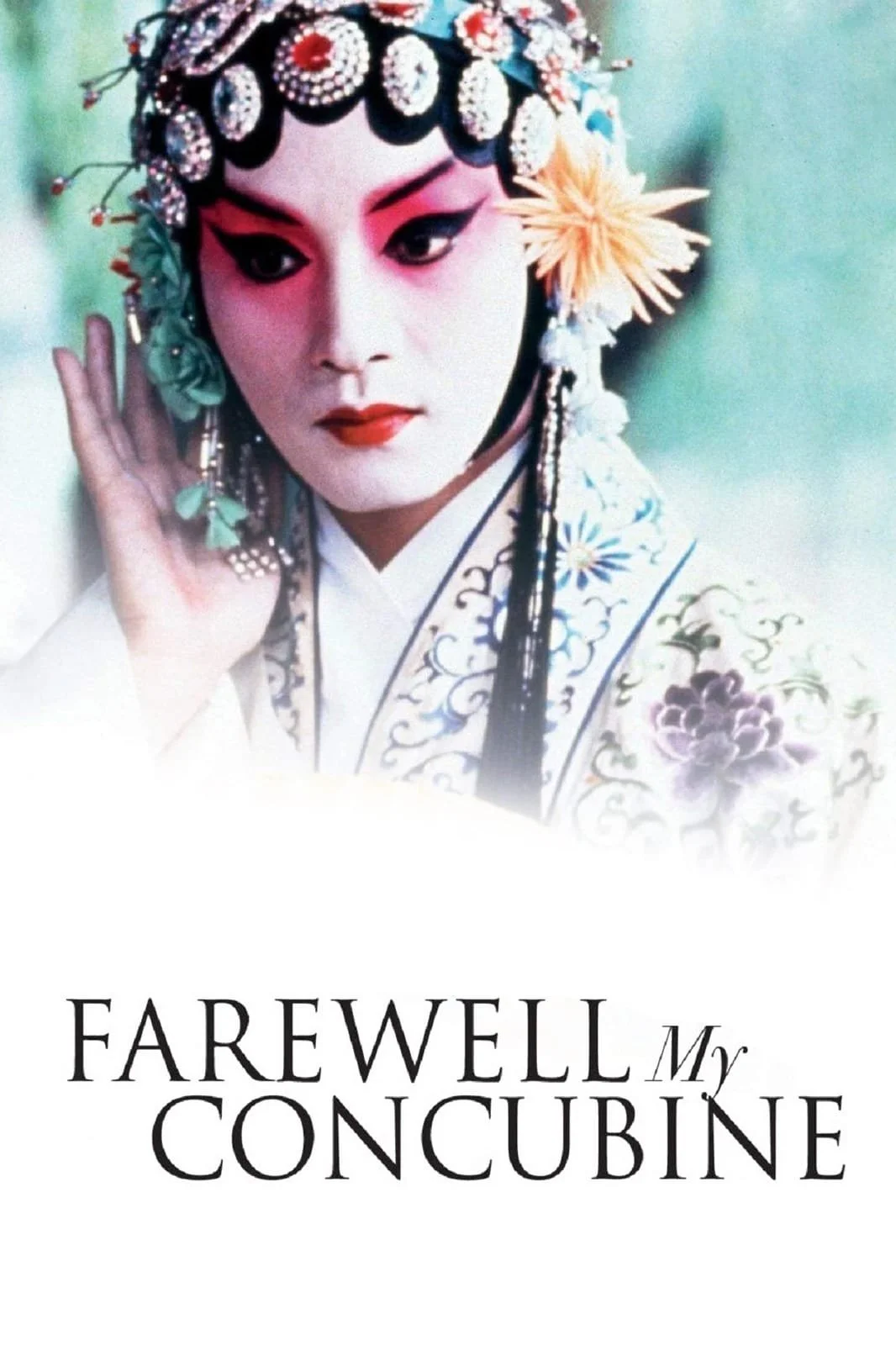
7. Farewell My Concubine (1993)
Directed by Chen Kaige, Farewell My Concubine follows the lives of two Peking Opera performers across several decades of Chinese history, from their brutal childhood training through war, revolution, political upheaval, and personal tragedy. At its center is Cheng Dieyi, whose lifelong devotion to both opera and his stage partner Duan Xiaolou gradually blurs the boundaries between performance and reality.
Few films have left a stronger impression on me than Farewell My Concubine.
What fascinates me most is its exploration of identity. Throughout the film, the line between the role and the person becomes increasingly difficult to distinguish. Cheng Dieyi spends so much of his life performing that the performance ceases to be something he does and becomes something he is.
What has always stayed with me is Cheng Dieyi.
To me, Cheng represents emotion, art, devotion, beauty, longing, and the willingness to remain faithful to one's inner reality regardless of the consequences. He does not simply perform. He becomes the performance. The boundaries between art and life dissolve completely within him.
What makes Cheng so compelling is that he too lives through a role. Yet somehow the role becomes more truthful than reality itself. Others cling to identities handed to them by society, politics, family, or convention. Cheng chooses his own. What begins as a performance gradually becomes the truest thing about him.
The world surrounding them often feels populated by masks rather than people. Individuals cling desperately to social identities, political positions, and acceptable performances of self. They defend these roles fiercely, especially when confronted by someone whose sincerity exposes the emptiness beneath them.
This is especially visible in Duan Xiaolou. While Cheng moves toward emotional honesty, Duan increasingly moves toward compromise. Again and again, he abandons parts of himself in order to satisfy the demands of society, relationships, politics, and survival. In many ways, he becomes a victim of the very roles he chooses to embrace.
Perhaps this is why Cheng shines so brightly throughout the film. He is surrounded by people trying to become what the world expects them to be, while he remains devoted to what he already is.
For me, Farewell My Concubine is ultimately not a film about politics or even romance. It is a film about the rare individuals who remain faithful to themselves in a world that constantly rewards performance, compromise, and disguise.
There is a sadness running through the entire film, but it is a beautiful sadness. A recognition that some people dedicate themselves so completely—to art, to another person, to an ideal—that they become inseparable from it.
That faithfulness may destroy Cheng, but it is also what makes him unforgettable.
For me, Farewell My Concubine is one of the most profound films ever made about identity, devotion, and the fragile boundary between the roles we perform and the people we truly are. Long after the details of the story fade, its images remain.
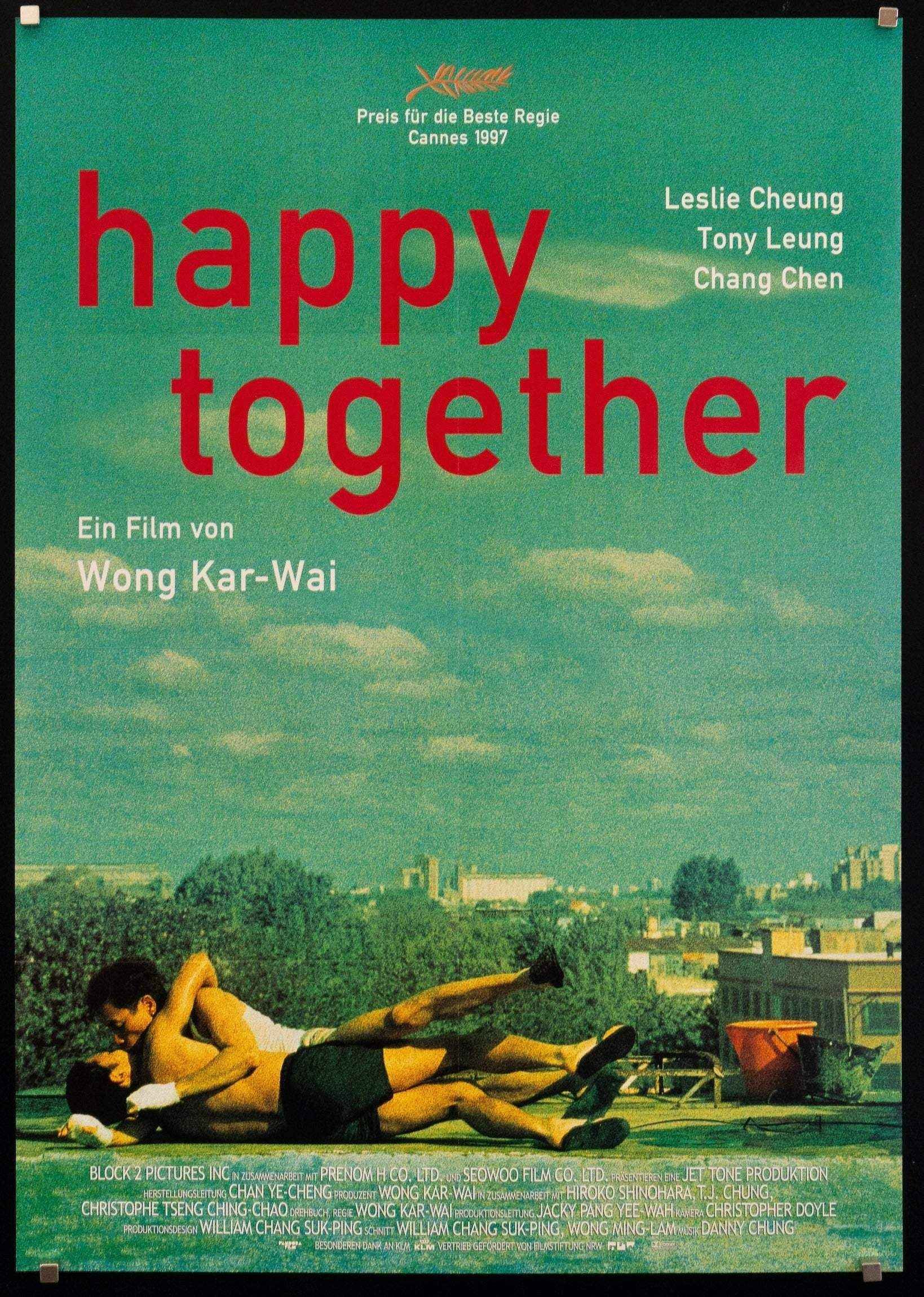
8. Happy Together (1997)
Directed by Wong Kar-wai, Happy Together follows Lai Yiu-fai and Ho Po-wing, two lovers who leave Hong Kong and travel to Argentina in an attempt to repair their relationship. Instead, they find themselves trapped in a cycle of separation, reconciliation, desire, loneliness, and emotional uncertainty.
Happy Together captures loneliness extremely beautifully.
Although the story revolves around a relationship, what remained with me most was not the romance itself but the feeling of displacement running through the entire film. The characters exist far from home, disconnected from familiar places, people, and certainties. They move through unfamiliar streets and temporary spaces as though they are searching for something they cannot quite find.
There is a restlessness at the heart of the film.
Both men seem caught between opposing desires: the desire for freedom and the desire for connection, the desire to escape and the desire to return, the desire to be understood and the fear of being truly known. Their relationship becomes a reflection of those contradictions.
What I have always admired about Wong Kar-wai's films is his ability to transform emotion into atmosphere. Long before I understood every detail of the story, I understood how it felt. The colours, the music, the silences, the empty rooms, the distant city lights—all of it creates a sense of longing that is difficult to describe and impossible to forget.
Like many of the films on this list, Happy Together is deeply connected to the experience of being gay. The relationship at its center is not interchangeable with any other relationship. The sense of exile, secrecy, vulnerability, and longing is shaped by that reality. Yet the film never reduces its characters to symbols or representatives of a cause. They remain fully human: flawed, impulsive, loving, selfish, tender, and wounded.
What stayed with me most was the feeling that both men are searching for a home that does not exist in any physical place. Their journey across continents becomes a search for belonging, understanding, and peace—things that often prove far more difficult to find than any destination on a map.
For me, Happy Together is a film about exile in its broadest sense. Exile from home, from certainty, from other people, and sometimes even from oneself. Few films have captured that feeling with such beauty and emotional honesty.

9. No Regret (2006)
Directed by Leesong Hee-il, No Regret follows Su-min, a young orphan struggling to survive in Seoul, and Jae-min, the wealthy son of a privileged family. What begins as an unlikely encounter gradually develops into a relationship that forces both men to confront the worlds they inhabit and the lives they are expected to live.
An extraordinary thing about No Regret is that neither of its central characters feels passive.
Su-min is undoubtedly the stronger presence from the beginning. He is shaped by reality. He understands survival, hardship, and the cost of living without illusions. There is a directness to him that makes him impossible to ignore.
Yet Jae-min undergoes one of the most interesting transformations in any film on this list.
At first, he exists comfortably within a world of appearances, privilege, expectations, and social performance. A world built on status, reputation, family obligations, and prescribed futures. But unlike many characters who remain trapped within such structures, Jae-min gradually begins to reject them. Again and again, he chooses emotional honesty over comfort, reality over appearances, and love over social expectation.
That evolution is one of the reasons the film has stayed with me.
Like many of the films on this list, No Regret presents two very different worlds. Su-min's world is often harsh, damaged, and unforgiving, yet it feels real. Jae-min's world is polished, respectable, and socially approved, yet often feels strangely empty. The film never tells the viewer which world to choose. It simply allows us to see them side by side.
What I also appreciate is the way the film refuses to judge the people inhabiting Su-min's world. The men around him are not presented as stereotypes or moral lessons. Despite the hardship surrounding them, there are moments of loyalty, friendship, affection, and genuine care. Humanity exists there just as surely as it exists anywhere else.
Another aspect I love is the way the film treats the increasingly irrational things the two men do for one another. Actions that might seem extreme from the outside are presented almost matter-of-factly. No lengthy explanations are required. No psychological justifications are offered. The film simply accepts that people in love often behave irrationally and that such irrationality can possess its own internal logic.
This creates a remarkable sense of inevitability. The bond between them becomes so strong that the story almost could not end any other way.
For all its intensity, however, the film contains moments of unexpected humour. One scene in particular has always remained with me. After everything that has happened, after all the conflict, chaos, and escalation, the final interaction in front of a police officer is simultaneously dramatic, absurd, romantic, and strangely funny. In that moment, what could have become an apology, a confession, or an act of submission instead becomes something else entirely: an unapologetic affirmation of their connection.
There is something wonderfully defiant about that.
For me, No Regret is ultimately a film about choosing what is genuine over performance. Unlike so many characters who spend their lives protecting social roles, Jae-min eventually abandons his. And once he does, there is no turning back.
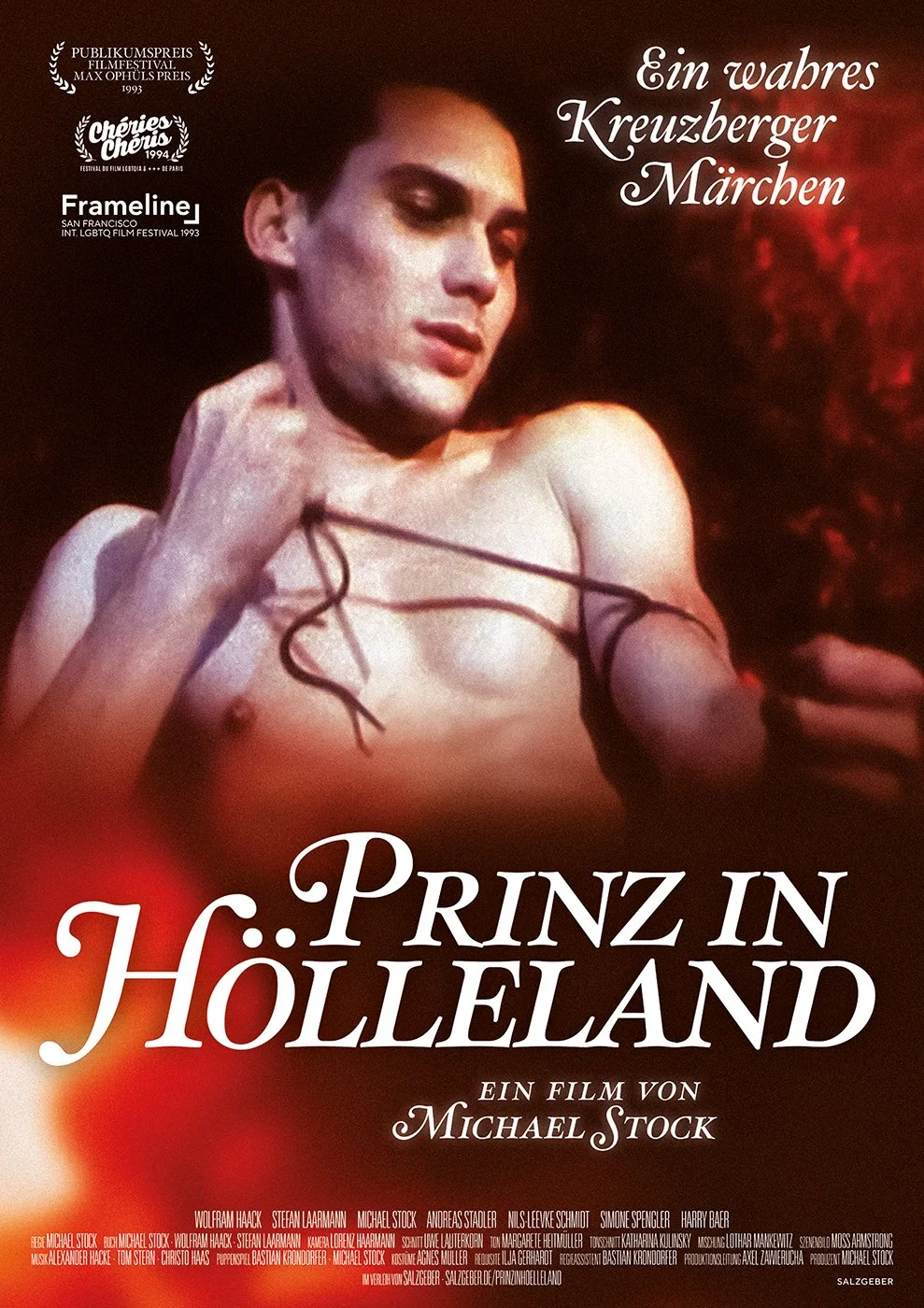
10. Prinz in Hölleland (1993)
Set in the alternative queer and squatter communities of early-1990s Berlin, Prinz in Hölleland follows Jockel and Stefan, a gay couple whose relationship slowly unravels amid drugs, desire, freedom, addiction, and the harsh realities of life on the margins. Running parallel to their story is a strange fairytale told by the clown-like Firlefanz: the story of a prince, a miller's boy, and a kingdom corrupted by white powder.
Prinz in Hölleland feels less like a film and more like a fairytale world.
Nothing about it feels polished or artificial. The characters, the locations, the conversations, the clubs, the streets, the punks, the addicts, the anarchists, the lovers. It all feels as though the camera simply wandered into a forgotten corner of Berlin and started recording. There is a rawness to it that is increasingly rare.
The film takes place in a world that many people would immediately dismiss as broken. Drugs, poverty, addiction, instability, and social exclusion are everywhere. Yet what I remember most is not the decay but the life.
Friendships exist there. Desire exists there. Humour exists there. Love exists there. Community exists there.
Again and again, I find myself drawn to stories that reveal humanity in places where society expects only dysfunction. Prinz in Hölleland understands that people do not stop being human simply because they live on the margins.
The fairytale running through the film fascinated me as well. The prince and the miller's boy are not separated from the "real" story. They are the real story. The fairytale becomes another way of speaking about love, temptation, loss, and freedom. It transforms a specific subculture into something almost mythological.
What also stayed with me was the film's relationship with freedom. Nearly every character is searching for it. Yet the film constantly asks what freedom actually means. Is it freedom from rules? Freedom from society? Freedom from responsibility? Or is genuine freedom something much more difficult to achieve?
Unlike many films that romanticize rebellion or condemn it outright, Prinz in Hölleland does neither. It simply presents people trying to live according to their own rules, succeeding sometimes and failing at others.
For me, the film feels like a document of a vanished world. Not merely a place, but a way of living. A strange, vulnerable, creative, self-destructive, beautiful world that could perhaps only have existed in that particular moment in Berlin's history.
Years after seeing it, I still remember less the plot than the feeling it left behind. It felt like a fairytale told by punks, addicts, dreamers, and outsiders. And somehow, that made it feel more honest than many films that strive for realism.
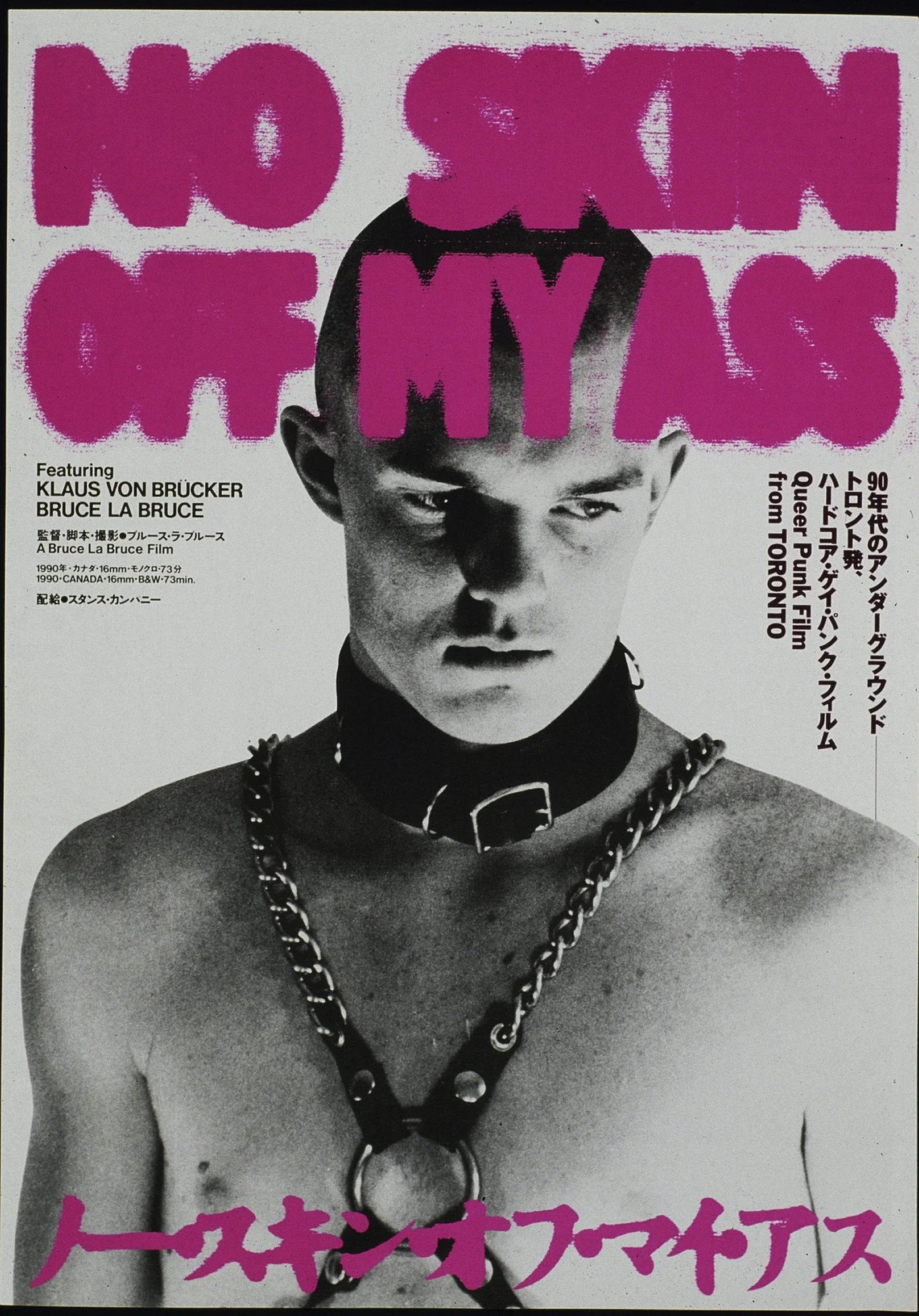
11. No Skin Off My Ass (1991)
Written, directed by, and starring Bruce LaBruce, No Skin Off My Ass follows a lonely hairdresser who becomes obsessed with a young skinhead. Shot on a minimal budget and deliberately rejecting conventional filmmaking standards, the film occupies a strange space between romance, satire, underground cinema, and social provocation.
An unapologetic and independent aura is characteristic of No Skin Off My Ass.
It is rough. It is chaotic. It often feels improvised. Yet those qualities are precisely what make it memorable. The film carries a sense of creative freedom that is difficult to manufacture. It feels less like a product and more like a personal vision captured on film regardless of whether anyone approved of it.
What has always appealed to me is the film's refusal to behave.
It refuses to follow the rules of mainstream storytelling. It refuses to make its characters conventionally likeable. It refuses to separate humour from discomfort, sincerity from irony, or romance from absurdity. Instead, it embraces contradiction and allows conflicting ideas to exist side by side.
There is also something strangely vulnerable beneath its provocations.
For all its irreverence, the film is ultimately concerned with longing. Like many of the films on this list, it revolves around desire for another person, desire for connection, and the often irrational ways people pursue both. The characters may be eccentric, self-destructive, or ridiculous at times, but their emotional needs remain recognizably human.
What I admire most about Bruce LaBruce's work is that it feels entirely uninterested in respectability. The film never asks to be accepted. It never attempts to soften itself in order to become more palatable. It exists exactly as it wants to exist.
That quality has become increasingly meaningful to me over the years. In a world where so much art seems preoccupied with approval, No Skin Off My Ass reminds me that art can also be an act of defiance. It can be strange, imperfect, confrontational, personal, and completely unconcerned with fitting into existing categories.
For me, the film's greatest achievement is not its story but its spirit. It embodies a kind of creative freedom that is becoming increasingly rare and a willingness to follow an idea wherever it leads without first asking whether it will be understood, accepted, or rewarded.
Years later, that rebellious energy remains its most enduring quality.
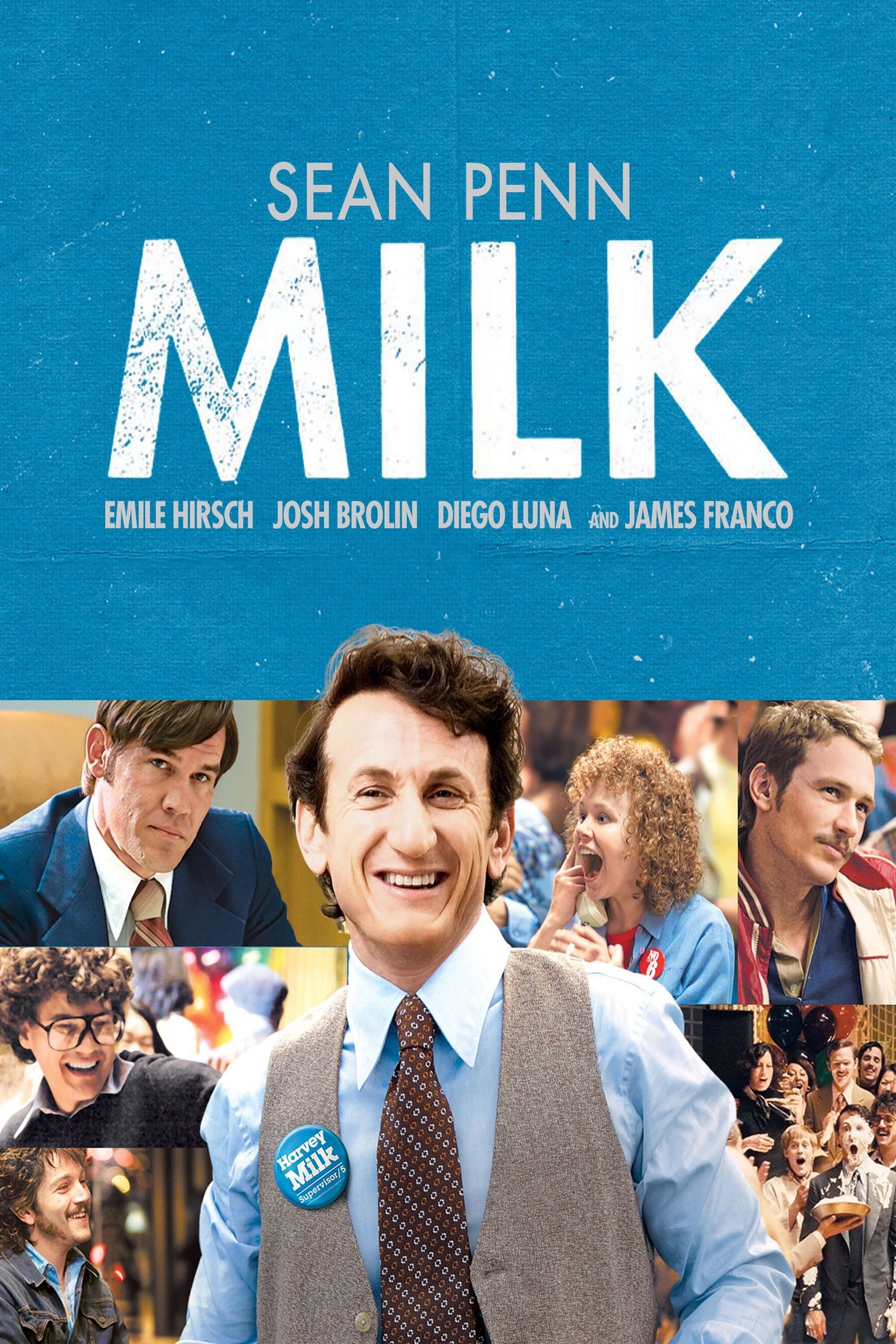
12. Milk (2008)
Directed by Gus Van Sant, Milk tells the story of Harvey Milk, one of the first openly gay elected officials in the United States and one of the most influential figures in the history of LGBTQ+ rights. The film follows his rise from an ordinary man living openly as a gay person to a political leader whose influence extended far beyond San Francisco.
What makes Milk so important to me is that it preserves a story that deserves to be remembered.
Many people today know the rights they possess but know little about the individuals who fought for them. The film serves as a reminder that progress is rarely inevitable. It is achieved by real people who take risks, challenge existing systems, and often pay a personal price for doing so.
What struck me most about Harvey Milk was not simply his courage but his understanding of visibility.
Again and again, he emphasized the importance of being seen. Not because visibility alone solves problems, but because it makes it harder for others to pretend that people do not exist. In many ways, his entire political philosophy can be distilled into one simple idea:
"You gotta give 'em hope."
That line has remained with me long after the film ended.
Hope is often spoken about as something passive, something people either possess or lack. Milk understood it differently. Hope was something that had to be created. Protected. Passed from one person to another. It was not merely an emotion but a responsibility.
The film is also deeply tragic because it never allows us to forget how much was lost. Watching it, one becomes acutely aware of how many lives, relationships, dreams, and possibilities were interrupted by hatred, prejudice, and violence.
Yet despite that tragedy, the lasting impression is not despair.
It is courage.
Harvey Milk was not remembered because he was perfect. He was remembered because he acted. He stepped into public view at a time when doing so carried enormous risks and, in doing so, helped make it easier for others to do the same.
What also fascinated me about Harvey Milk was how little interest he seemed to have in becoming the kind of politician people expected him to be.
He was charismatic, emotional, theatrical at times, and unapologetically himself. He did not attempt to make others comfortable by minimizing who he was. He did not treat his sexuality as an inconvenience to be hidden, softened, or carefully managed for public consumption. Instead, he spoke openly about it and incorporated it into his public life with a level of honesty that was unusual for the time.
In many ways, this made his story even more remarkable. Success often comes with pressure to conform. To become more respectable, more predictable, more acceptable. Milk understood those pressures but never allowed them to completely reshape him.
That inner reality is one of the reasons he remains such a compelling figure. He was not simply fighting for rights. He was demonstrating, through his own life, that it was possible to exist publicly without surrendering the truth of who you were.
Looking back, what strikes me most is how alive he feels. Not polished. Not carefully manufactured. Not the product of political consultants or public relations strategies. He appears as a deeply human figure—flawed, passionate, ambitious, funny, emotional, courageous, and sometimes chaotic.
Perhaps that is why the story remains so powerful. Harvey Milk does not feel like a monument. He feels like a person.
And decades later, his message remains as simple and as necessary as ever:
"You gotta give 'em hope."
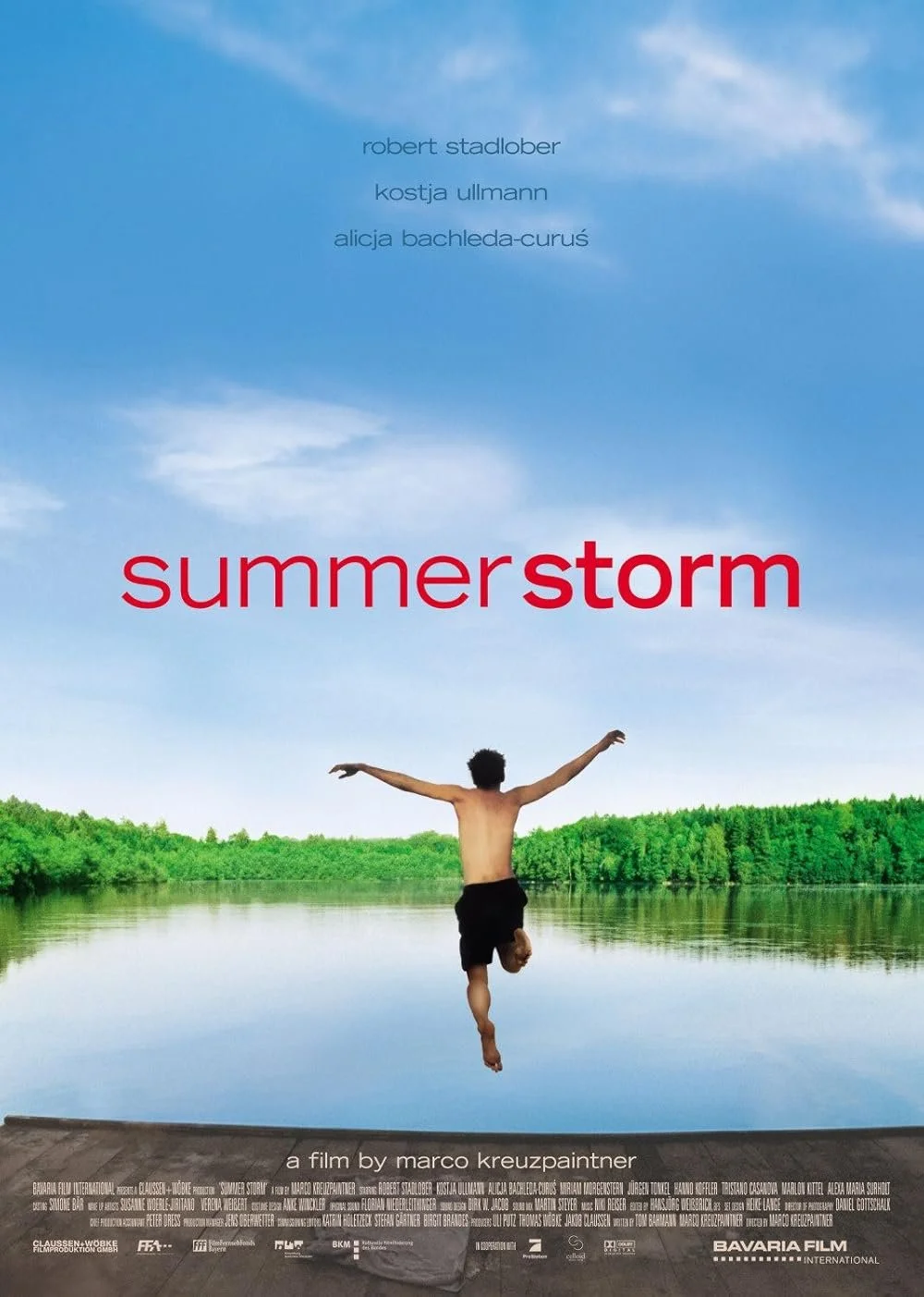
13. Sommersturm (Summer Storm, 2004)
Directed by Marco Kreuzpaintner, Sommersturm follows Tobi, a young rower whose friendship with his teammate Achim begins to change as he gradually confronts his own feelings and sexuality during a summer rowing camp.
While the film is often remembered as a coming-out story, that is not what drew my attention the most.
I remember most vividly the arrival of the gay rowing team Queerschlag ("Queerstrokes").
Until that point, much of the film is filtered through Tobi's uncertainty, confusion, and frustration. Then suddenly another possibility appears. A group of young men who are openly gay, comfortable with themselves, confident, competitive, funny, and entirely unapologetic about who they are.
I found that world fascinating.
They are not presented as tragic figures, victims, or outsiders waiting for acceptance. They have their own friendships, humour, rivalries, personalities, and culture. They are simply living their lives. For me, their presence expanded the film far beyond a story of individual self-discovery.
What I especially appreciated was the contrast between their confidence and the insecurity displayed by some of the supposedly "normal" boys around them. Throughout the film, some of the most uncomfortable behaviour comes not from the gay team but from characters struggling with their own fears, prejudices, and insecurities. The contrast is often presented with humour rather than bitterness, which gives the film a lightness that many similar stories lack.
That balance is one of the film's greatest strengths. It deals with identity, rejection, attraction, and self-acceptance without becoming overwhelmingly dark. There are moments of tension and sadness, but there is also comedy, awkwardness, friendship, and genuine warmth.
What stayed with me was the sense that another world existed beyond Tobi's fears. A world where being gay was not a source of shame or isolation, but simply one part of a larger and fuller life.
In many ways, the gay rowing team represents possibility. They are living proof that remaining faithful to oneself does not inevitably lead to loneliness. That realization quietly transforms the film.
For me, Sommersturm remains one of the most enjoyable films on this list. It is funny, charming, occasionally painful, and ultimately hopeful. Beneath the coming-out story lies something equally important: the discovery that there are people like you in the world, and that life can be larger, freer, and more joyful than you imagined.